The World's Greatest Rivers: From the Nile to the Amazon
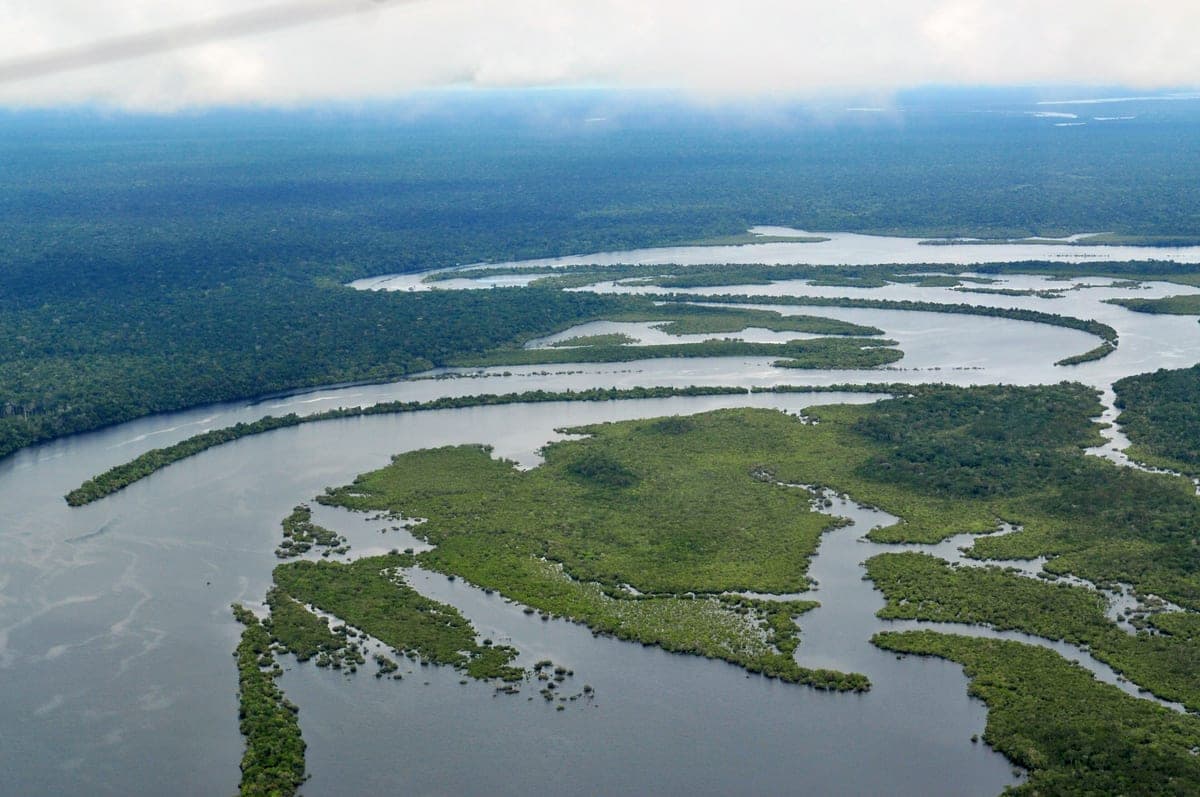
Rivers have been the arteries of human civilisation since our earliest ancestors settled beside the Nile, Tigris, Euphrates and Indus. They provided water, food, transport routes and fertile land. Today, the world's major rivers continue to sustain billions of people and some of the most biodiverse ecosystems on the planet.
The Nile — Africa's Lifeline
The Nile is generally considered the world's longest river at approximately 6,650 km, flowing northward through 11 countries before emptying into the Mediterranean Sea. For thousands of years, the annual flooding of the Nile deposited rich silt across the surrounding floodplain, making Egypt one of the most fertile and productive agricultural regions in the ancient world. The ancient Egyptians so depended on the Nile that the Greek historian Herodotus called Egypt the Gift of the Nile.
The Nile has two main tributaries: the White Nile and the Blue Nile. The White Nile is longer and provides about 15% of the total flow. The Blue Nile starts at Lake Tana in Ethiopia and, despite being shorter, provides about 85% of the total water volume. They meet at Khartoum in Sudan.
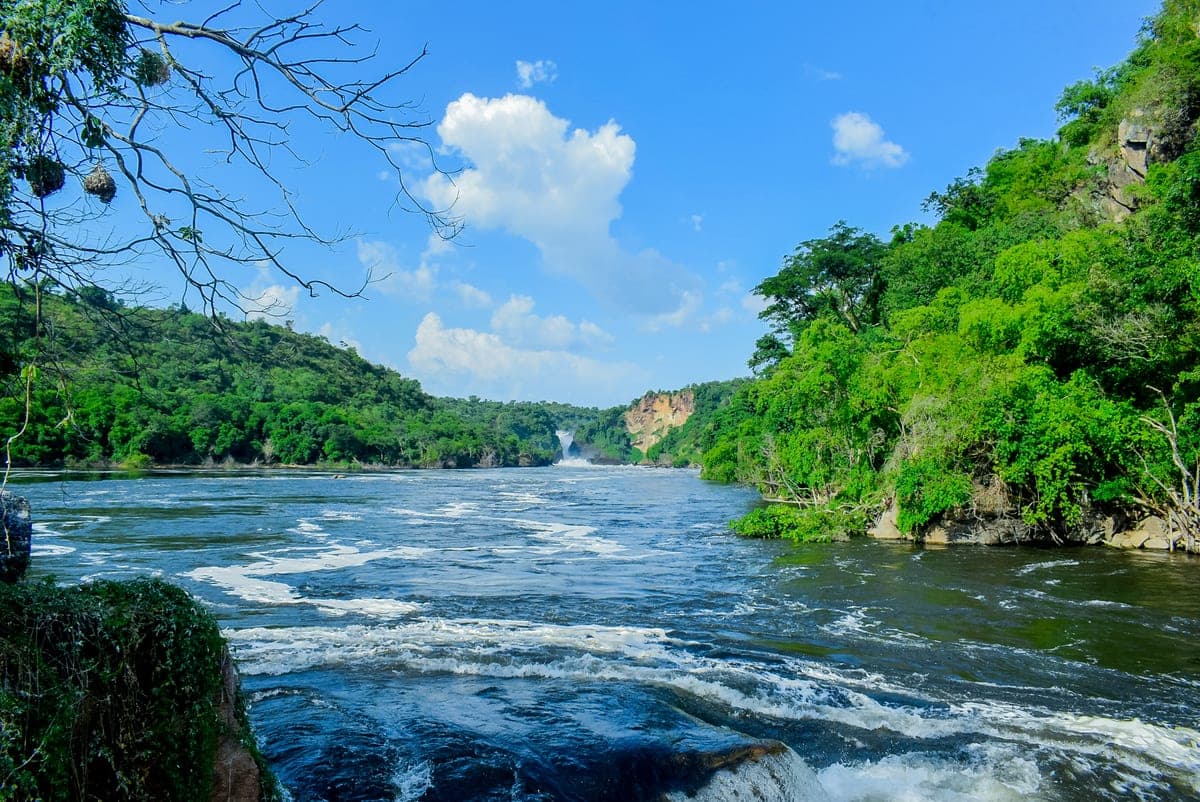
The Nile valley — a ribbon of green through the Egyptian desert
The Amazon — The World's Mightiest River
While the Nile may be longer, the Amazon is incomparably larger in terms of water volume. The Amazon discharges about 209,000 cubic metres of water per second into the Atlantic Ocean — about 20% of all fresh river water on Earth. The Amazon River basin covers approximately 7 million km², roughly the size of Australia, making it the world's largest drainage basin.
The Amazon begins high in the Andes of Peru and flows 6,400 km east across the South American continent. During the rainy season, the river can be up to 50 km wide in places. The Amazon basin contains the world's largest tropical rainforest, home to an estimated 10% of all species on Earth and 20% of all bird species in the world.
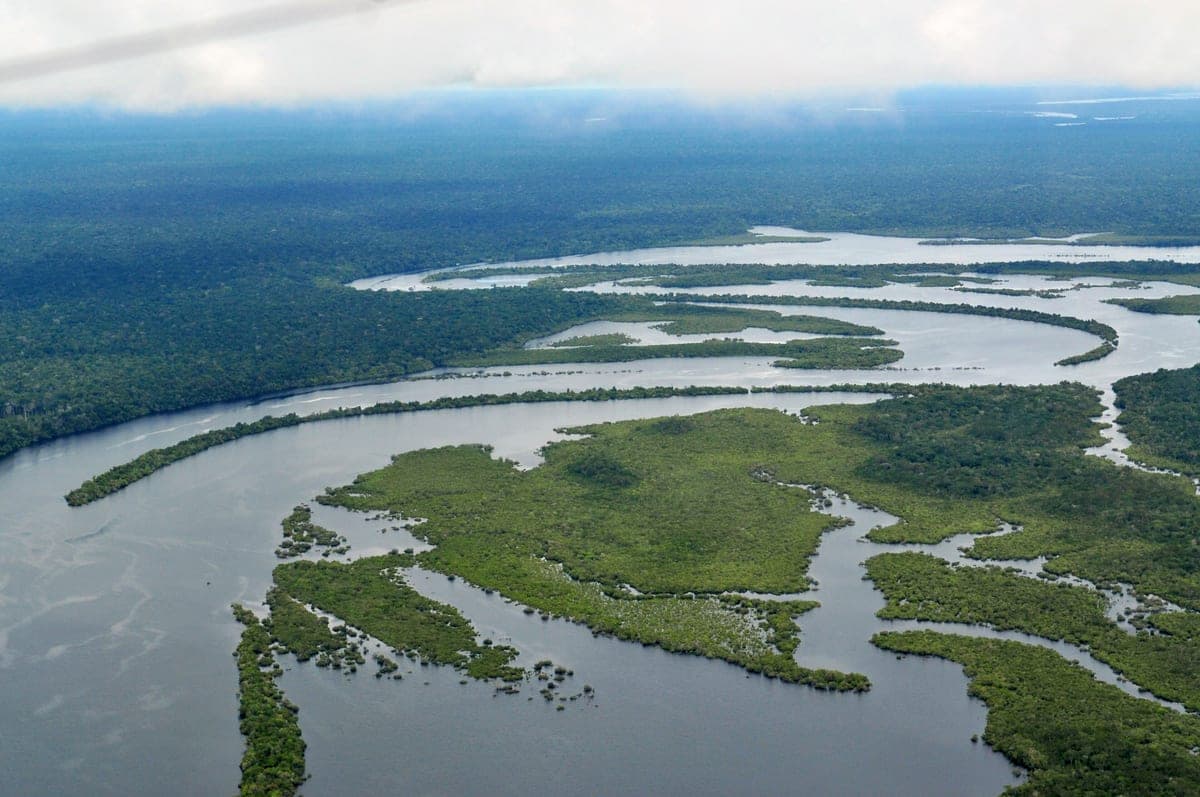
The Amazon — carrying 20% of all the world's river water
The Yangtze — China's Great River
The Yangtze is the longest river in Asia at 6,300 km and the third longest in the world. It flows from the Tibetan Plateau east through central China before emptying into the East China Sea near Shanghai. The Yangtze basin is home to about 400 million people — more than the entire population of the United States. The Three Gorges Dam, completed in 2006 on the Yangtze, is the world's largest hydroelectric power station.
The Congo — Africa's Deepest River
The Congo River in Central Africa is the world's deepest river, with depths reaching 220 metres. It is also the second largest river in the world by water volume. The Congo basin contains the world's second largest tropical rainforest after the Amazon. The river is unique in that it crosses the equator twice on its journey to the Atlantic Ocean.
The Ganges — Sacred River of India
The Ganges is not the longest or the largest river in the world, but it may be the most culturally significant. For over a billion Hindus, the Ganges is a sacred river — a goddess in her own right. Every year, millions of pilgrims travel to bathe in its waters, believing it will cleanse them of sin and help them attain moksha (liberation). The river flows 2,525 km from the Gangotri glacier in the Himalayas to the Bay of Bengal, supporting one of the most densely populated regions on Earth.
The Danube — Europe's International River
The Danube is Europe's second longest river at 2,860 km and flows through more countries than any other river in the world — 10 in total. It passes through Germany, Austria, Slovakia, Hungary, Croatia, Serbia, Romania, Bulgaria, Moldova and Ukraine. The Danube has served as a natural border for much of European history, separating empires and creating natural boundaries between peoples.
The Rivers That Made Civilisation
- •Nile (Africa) — Made Egypt possible; longest river at 6,650 km
- •Tigris and Euphrates (Middle East) — Gave rise to Mesopotamia, the cradle of civilisation
- •Indus (South Asia) — Home to one of humanity's first great civilisations, 3000 BC
- •Yellow River (China) — Called the Mother River of China; cradle of Chinese civilisation
- •Amazon (South America) — Largest by volume; contains 20% of Earth's fresh river water
- •Congo (Africa) — Deepest river; second largest by volume
- •Ganges (India) — Sacred river supporting over 400 million people
- •Danube (Europe) — Flows through more countries (10) than any other river
Rivers, lakes and geographical records feature in our World Facts quiz — test how many of these river facts you already knew by playing at MyGeoQuiz!