A Complete Guide to South America's 12 Countries
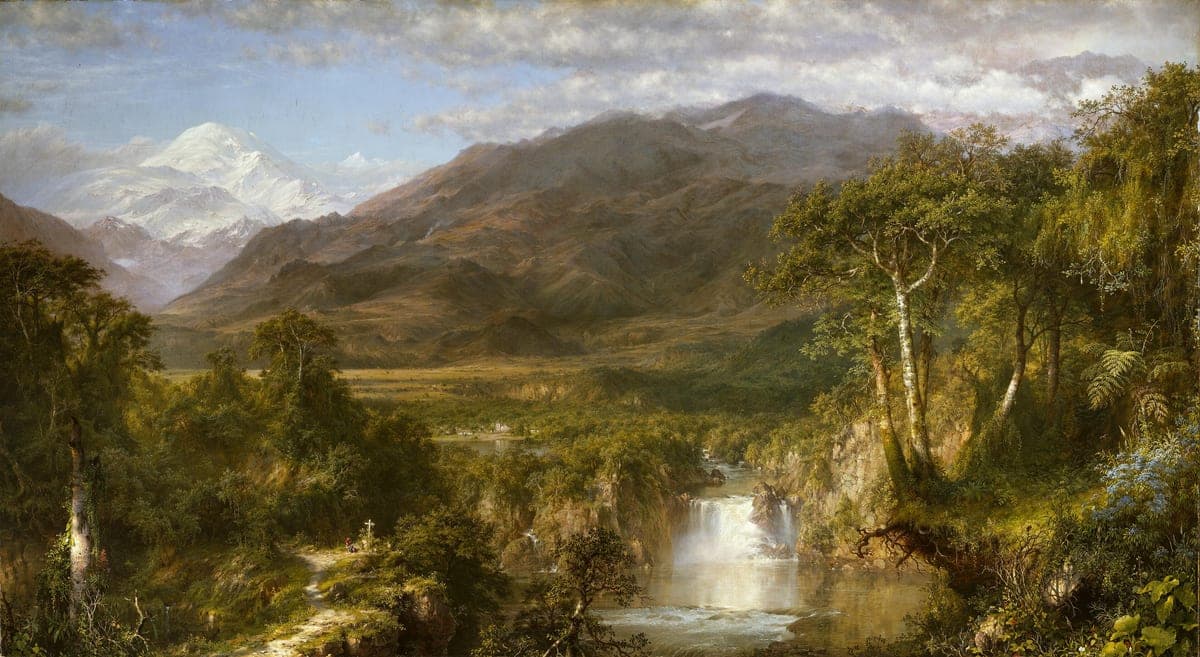
South America is home to just 12 countries, but what it lacks in number it more than makes up for in geographical diversity. The continent contains the world's largest rainforest, the longest mountain range, the driest desert, the highest navigable lake and some of the most biodiverse ecosystems on Earth.
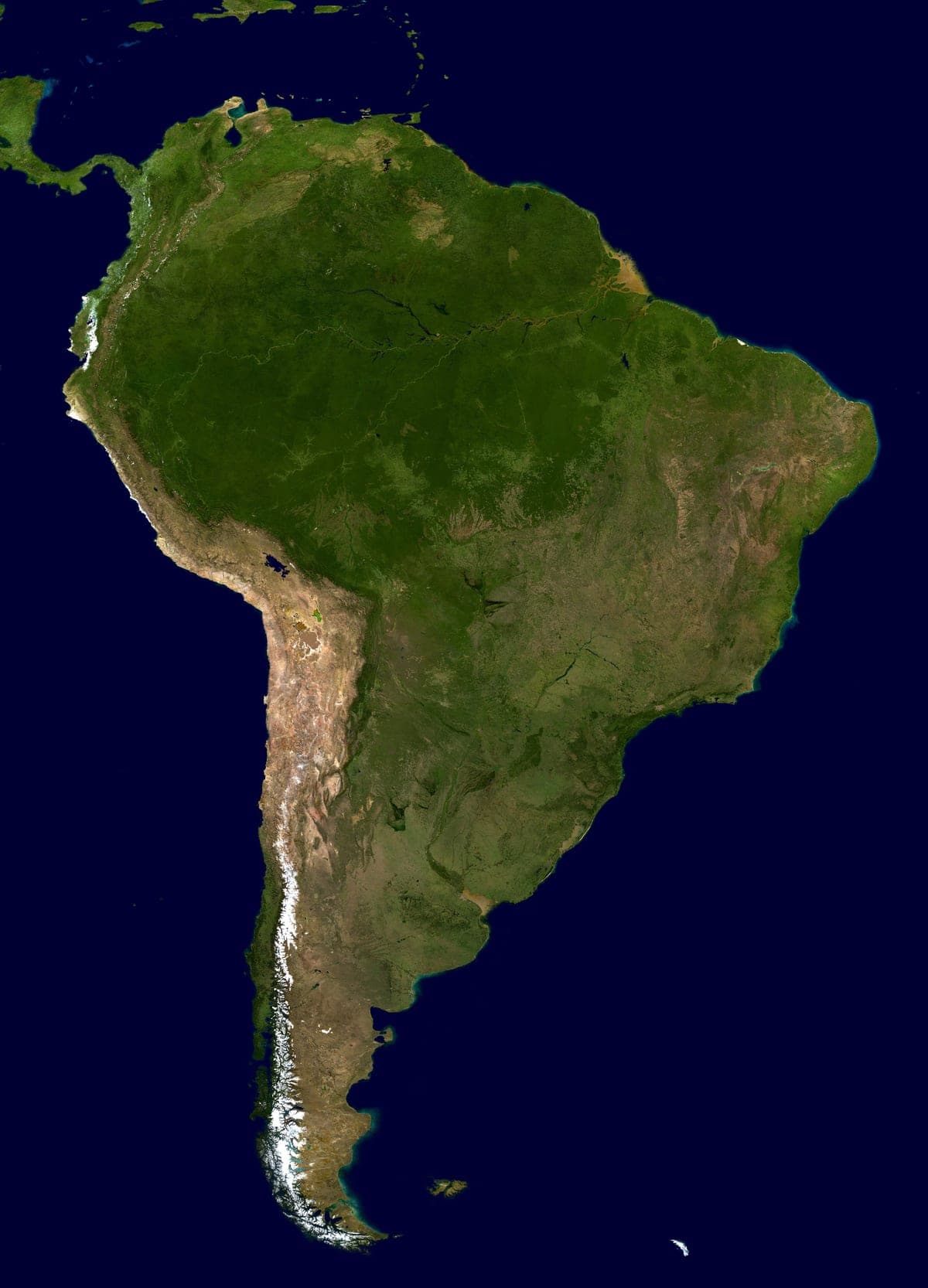
South America — a continent of extraordinary geographical extremes
Brazil — The Giant
Brazil is by far the largest country in South America, occupying nearly half the continent. It is the fifth largest country in the world and contains about 60% of the Amazon Rainforest. Brazil is the only Portuguese-speaking country in South America — all its neighbours speak Spanish — a result of the 1494 Treaty of Tordesillas that divided the New World between Spain and Portugal. Brazil borders every South American country except Chile and Ecuador — ten countries in total.
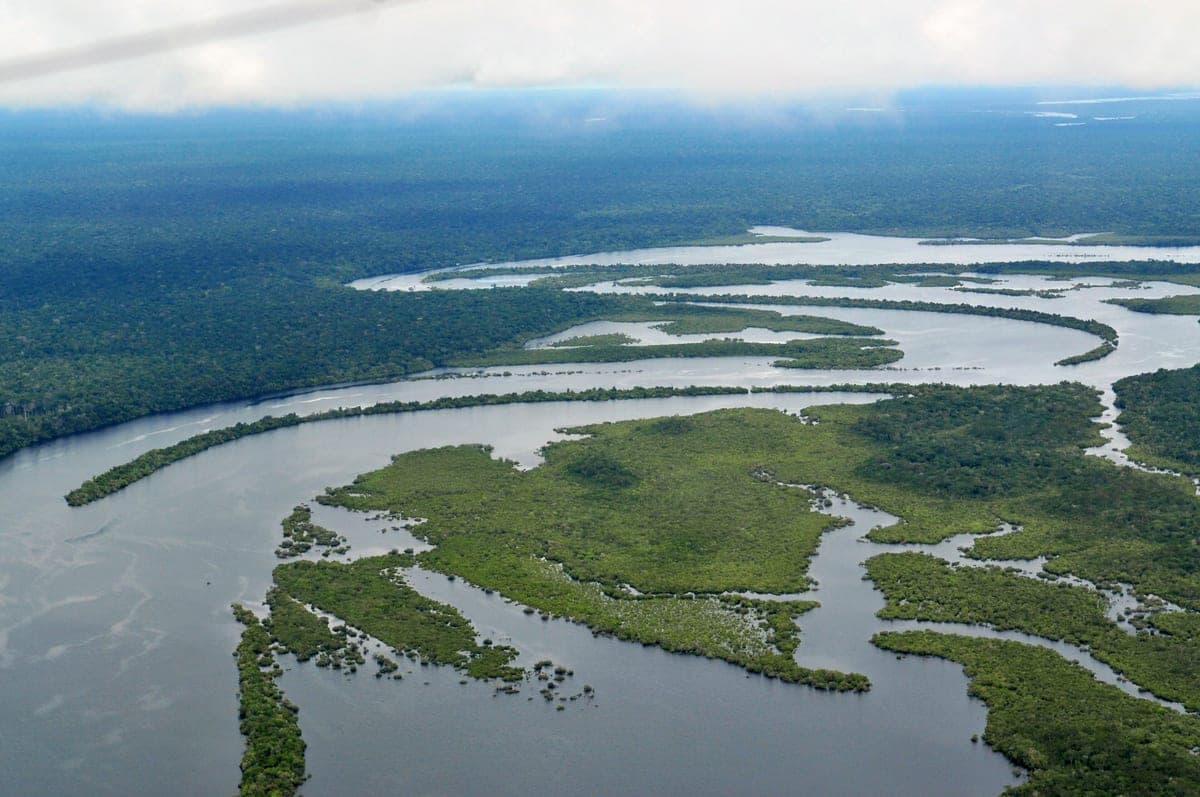
The Amazon Rainforest — 60% of which lies within Brazil
Argentina — The Southern Giant
Argentina is the second largest country in South America and the eighth largest in the world. It stretches from the tropical forests of the north to the glaciers of Patagonia in the south. Argentina is famous for its beef, tango, football and the dramatic landscapes of Patagonia. Buenos Aires, the capital, is often called the Paris of South America for its European-influenced architecture. The country includes part of Tierra del Fuego, the southernmost inhabited region on Earth.
Colombia — Two Coastlines
Colombia is the only South American country with coastlines on both the Pacific Ocean and the Caribbean Sea. It is one of the world's most biodiverse countries, with more bird species than any other. Colombia's geography is defined by three separate ranges of the Andes Mountains running north-south through the country, creating distinct climate zones and isolated regions.
Peru — Land of the Incas
Peru is home to Machu Picchu, one of the most famous archaeological sites in the world. The Inca Empire, which reached its peak in the 15th century, built a vast network of roads, temples and cities throughout the Andes. Peru's geography ranges from the Pacific coast in the west to the Amazon rainforest in the east, with the Andes creating three distinct regions: the costa (coast), sierra (highlands) and selva (jungle).
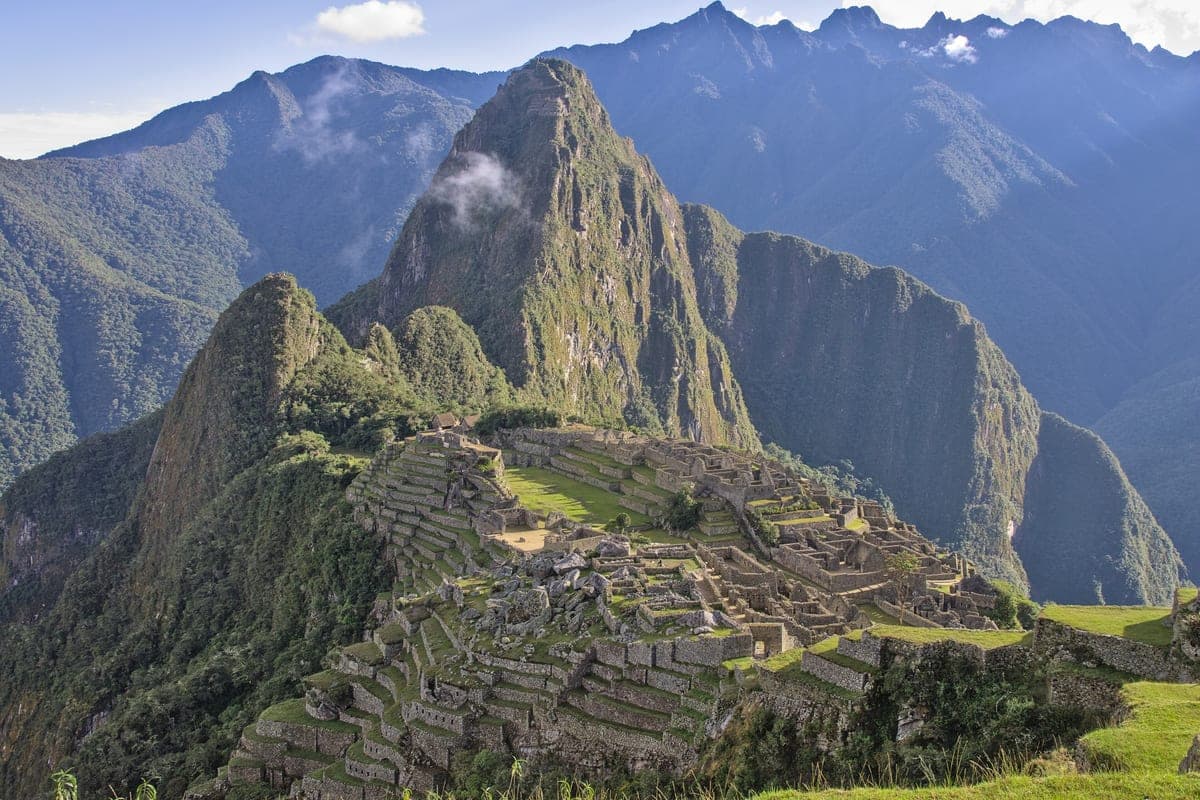
Machu Picchu — Peru's iconic Inca citadel in the Andes
Venezuela — Angel Falls
Venezuela is home to Angel Falls, the world's highest uninterrupted waterfall at 979 metres — about 15 times the height of Niagara Falls. The falls were named after American aviator Jimmy Angel, who crash-landed on the plateau above them in 1937. Venezuela also has the world's largest proven oil reserves, though mismanagement has led to severe economic difficulties.
Chile — The Long Country
Chile is the world's longest and narrowest country, stretching 4,300 km from north to south while averaging just 177 km wide. At its northern end lies the Atacama Desert, the driest non-polar desert on Earth. At its southern end are glaciers, fjords and Patagonian wilderness. Chile also owns Easter Island (Isla de Pascua) in the Pacific Ocean, famous for its mysterious Moai statues.
Bolivia — The Landlocked Nation
Bolivia is one of only two landlocked countries in South America (Paraguay is the other). It lost its coastal territory to Chile in the War of the Pacific (1879-1884) and has been seeking sea access ever since. Bolivia is home to the Salar de Uyuni, the world's largest salt flat at 10,582 km², and Lake Titicaca, which sits at 3,812 metres above sea level and is the world's highest navigable lake.
Ecuador — On the Equator
Ecuador takes its name from the equator, which runs through the country. It is home to the Galapagos Islands, 900 km off the coast, whose unique wildlife inspired Charles Darwin's theory of evolution. Despite being the smallest Andean country, Ecuador has enormous biodiversity — it is one of the 17 megadiverse countries in the world.
Paraguay and Uruguay — The Smaller Nations
Paraguay is the other landlocked country in South America. It is known for the Itaipu Dam on its border with Brazil, one of the world's largest hydroelectric power plants. Uruguay is South America's second smallest country and is often described as the most stable and prosperous democracy in the region, earning it the nickname the Switzerland of South America.
The Three Guianas — A Different Heritage
The northeastern corner of South America is home to three small countries with non-Spanish, non-Portuguese colonial heritages. Guyana was a British colony, Suriname was Dutch and French Guiana is still technically an overseas department of France. Suriname is notable for having the highest percentage of forest cover of any country in the world — about 93% of its territory is forested.
South America by the Numbers
- •12 countries — the fewest of any inhabited continent
- •Brazil is the giant — nearly 50% of South America's total area
- •Only Portuguese-speaking country — Brazil, surrounded by Spanish speakers
- •World's largest rainforest — The Amazon, mostly in Brazil
- •World's longest mountain range — The Andes, 7,000 km along the western edge
- •World's highest waterfall — Angel Falls, Venezuela, 979 metres
- •World's driest desert — Atacama, Chile, less than 1mm rain per year in some areas
- •World's highest navigable lake — Lake Titicaca, Bolivia/Peru, 3,812 metres
How many South American capitals can you name? Test yourself with our Capital Cities quiz, or try identifying South American country shapes in our Country Silhouette quiz!