Island Nations of the World: A Complete Guide
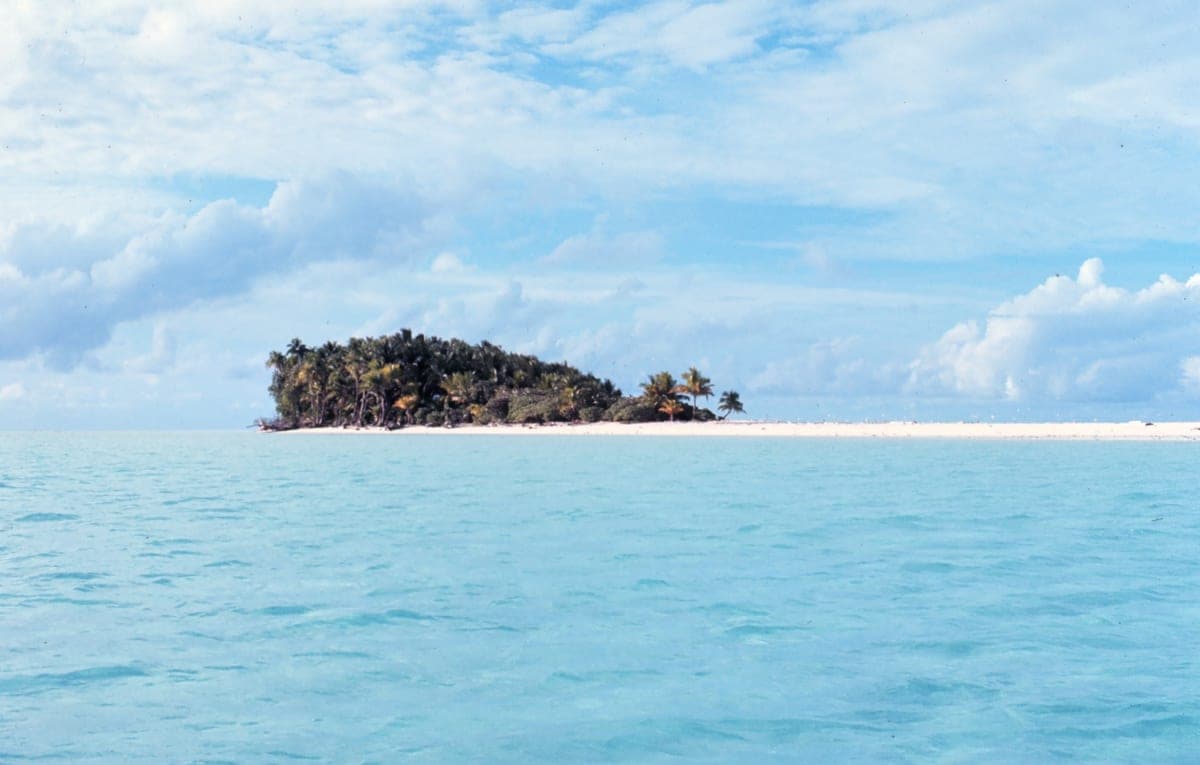
More than a quarter of the world's countries are islands or predominantly made up of islands. These range from the enormous — Indonesia spreads across 5,000 km of ocean — to the tiny, like Nauru, which is smaller than most city parks. Island nations are some of the most culturally distinct and geographically fascinating places on Earth.
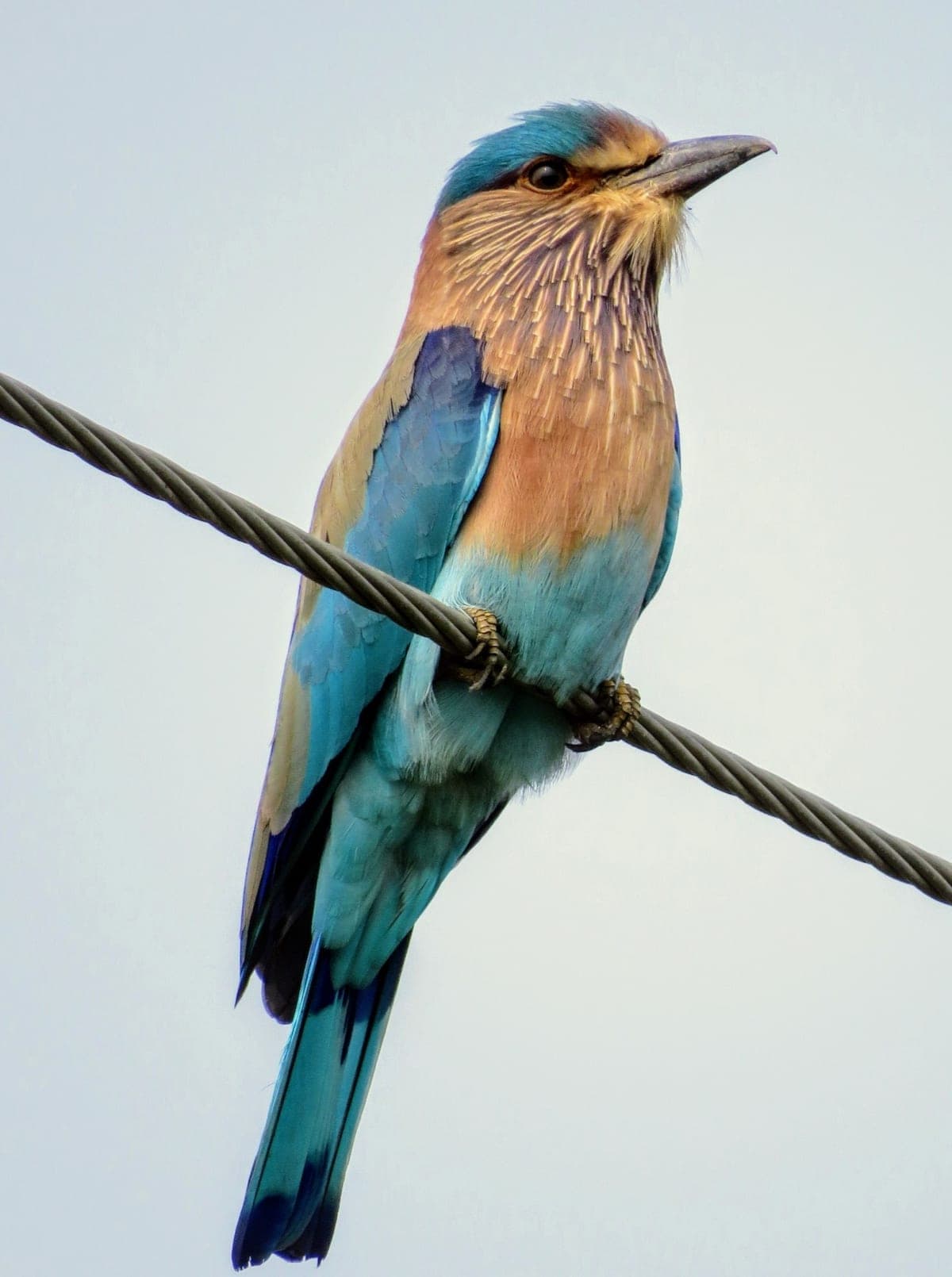
The Maldives — an island nation so flat it faces an existential threat from rising sea levels
The Caribbean Islands
The Caribbean contains 13 independent island nations, making it the most island-dense region of sovereign states in the world. Cuba is the largest at 109,884 km² and the most populous. Jamaica, the Bahamas, Barbados, Trinidad and Tobago, and the smaller eastern Caribbean islands all have distinct cultures shaped by African, European and indigenous Arawak heritage.
Haiti and the Dominican Republic share the island of Hispaniola — the only case in the Western Hemisphere where two countries share a single island. The contrast between the two nations is stark: the Dominican Republic has become a major tourist destination, while Haiti has struggled with poverty and natural disasters, including a devastating 2010 earthquake.
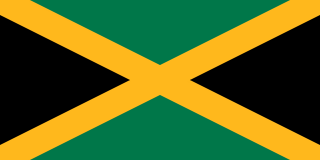
Jamaica
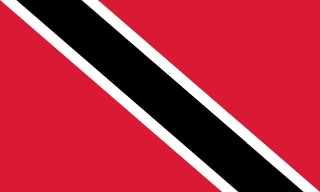
Trinidad and Tobago
The Pacific Islands
The Pacific Ocean contains thousands of islands grouped into three broad cultural regions: Melanesia (including Fiji, Papua New Guinea and the Solomon Islands), Micronesia (including Palau, the Federated States of Micronesia and Kiribati) and Polynesia (including Samoa, Tonga and New Zealand).
Kiribati (pronounced Kiribas) is a remarkable country — it consists of 33 atolls spread across 3.5 million km² of Pacific Ocean, making it one of the world's most spread-out nations. Kiribati is also the only country in all four hemispheres simultaneously — northern, southern, eastern and western. Due to rising sea levels, the entire country faces the prospect of becoming uninhabitable within decades.
The Indian Ocean Islands
Madagascar is the largest island in the Indian Ocean and the fourth largest island in the world. Separated from Africa about 165 million years ago, it developed unique wildlife found nowhere else — over 90% of its species are endemic, including all of its native lemur species. The Maldives, composed of 1,200 coral islands grouped into 26 atolls, is the flattest and lowest country in the world — no point is more than 2.4 metres above sea level, making it existentially vulnerable to rising seas.
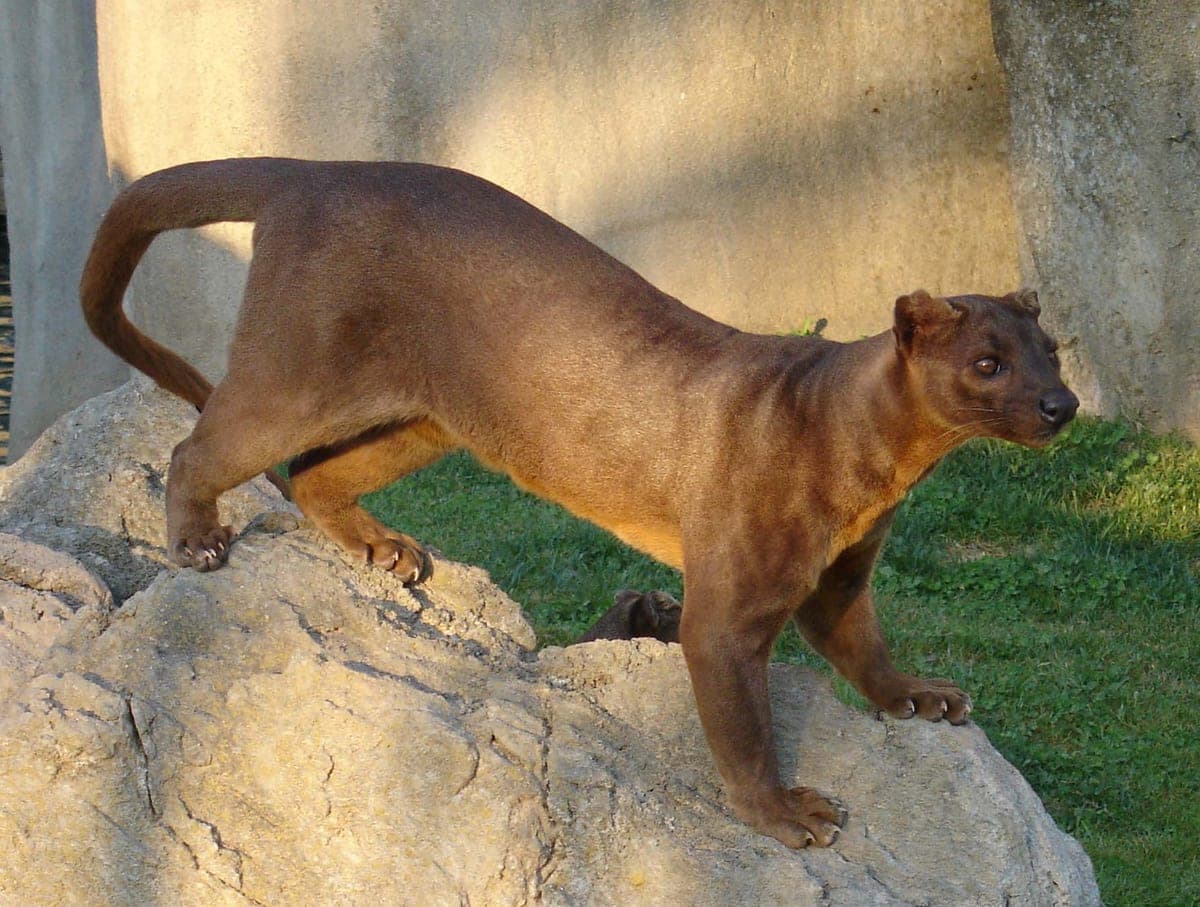
Madagascar — an island with unique wildlife found nowhere else on Earth
The Mediterranean Islands
The Mediterranean Sea contains several island nations including Cyprus and Malta. Cyprus, the third largest Mediterranean island, has been divided since 1974 when Turkish forces occupied the northern third. The island now has a UN buffer zone running through its capital, Nicosia — the world's last divided capital city. Malta, the smallest EU member state, is a tiny archipelago with an extraordinarily rich history.
The Atlantic Islands
The Atlantic Ocean contains several island nations, though most Atlantic islands are territories of larger nations rather than independent countries. Cape Verde (Cabo Verde) is an archipelago of 10 volcanic islands off the coast of West Africa, noted for its stable democracy in a region otherwise troubled by instability. São Tomé and Príncipe, a tiny two-island nation in the Gulf of Guinea, was uninhabited when Portuguese sailors discovered it in the 15th century.
The World's Most Remarkable Island Records
- •Largest island nation — Indonesia, spanning 5,000 km of ocean with over 17,000 islands
- •Smallest island nation — Nauru, just 21 km² in the Pacific
- •Most islands in one country — Sweden with over 220,000 islands
- •Most remote island nation — Nauru and Kiribati, both very isolated in the Pacific
- •Lowest island nation — Maldives, average height of 1.5 metres above sea level
- •Island shared by two countries — Hispaniola (Haiti and Dominican Republic), Borneo (Malaysia, Indonesia, Brunei), New Guinea (Papua New Guinea and Indonesia)
Island Nations Under Threat
Several Pacific and Indian Ocean island nations face existential threats from climate change and rising sea levels. The Maldives, Tuvalu, Kiribati and the Marshall Islands are all extremely low-lying and could be largely or entirely submerged by the end of this century if current trends continue. The leaders of these nations have become some of the world's most vocal advocates for urgent action on climate change.
Island nations feature prominently in our Flag Quiz and Capital Cities quiz — many of their flags and capitals are surprisingly tricky. Test your knowledge at MyGeoQuiz!