A Complete Guide to African Flags and Their Meanings
Africa has 54 recognised countries — more than any other continent — and each has a flag with deep historical and cultural significance. Most African flags were designed in the 20th century as countries gained independence from colonial powers, and their designs reflect the values, landscapes and histories of their people.
The Pan-African Colours
If you look at African flags, you will notice the same colours appearing again and again — red, gold (yellow) and green. These are known as the Pan-African colours. They were inspired by the flag of Ethiopia, one of the only African countries never fully colonised by a European power. When other African nations gained independence, many chose these colours as a symbol of freedom, pride and African unity.
Red typically represents the blood of those who fought for independence. Gold or yellow represents the mineral wealth of Africa. Green represents the land, forests and natural resources. Black, also sometimes included, represents the African people themselves.
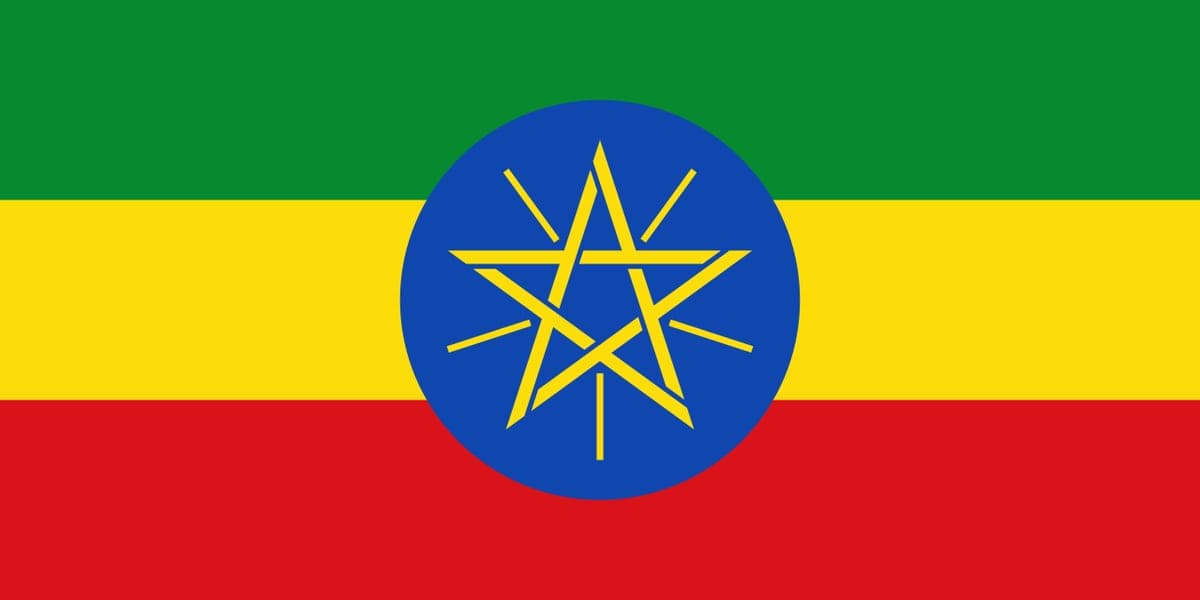
Ethiopia's flag — the source of the Pan-African colour tradition
West African Flags
West Africa has the highest concentration of Pan-African colours on its flags. Ghana, Senegal, Mali, Guinea, Cameroon and many others all use red, gold and green in various combinations. Ghana's flag, designed in 1957 when it became the first sub-Saharan country to gain independence, features a black star at the centre — symbolising African freedom and the people of Africa.
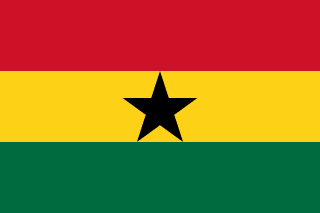
Ghana
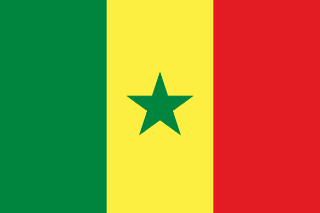
Senegal
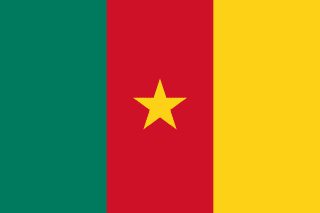
Cameroon
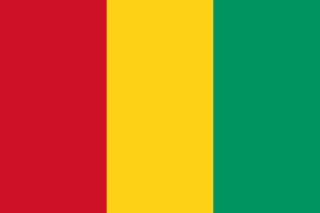
Guinea
East African Flags
East African flags tend to be more varied in their colour schemes. Kenya's flag features the iconic Maasai shield and spears on a background of black, red and green. Tanzania's flag has a distinctive diagonal stripe. Uganda's flag displays the grey crowned crane, the national bird. Rwanda redesigned its flag entirely in 2001, replacing the previous design associated with the genocide with a new flag featuring the sun and blue sky.
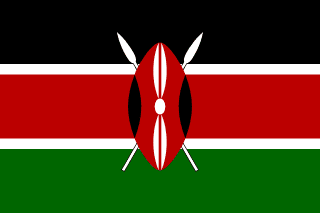
Kenya
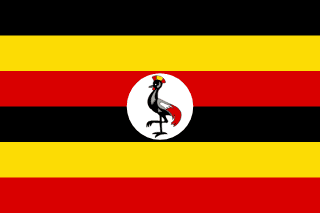
Uganda
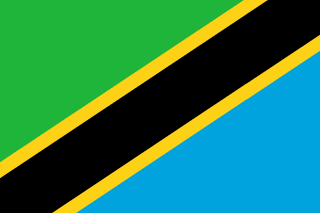
Tanzania
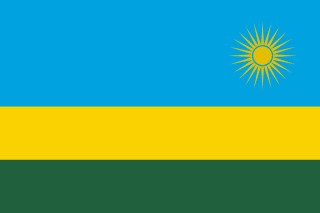
Rwanda
North African Flags
North African flags are heavily influenced by Islam and Arab culture. Morocco, Algeria, Tunisia and Libya all feature red or green with the crescent moon and star — classic symbols of Islam. Egypt's flag features the Eagle of Saladin, a golden eagle that has been a symbol of Arab nationalism since the medieval period. Libya's current flag, adopted after the 2011 revolution, is the simple tricolour of black, red and green with a white crescent and star.
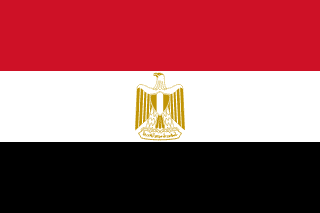
Egypt
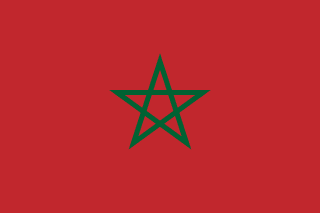
Morocco
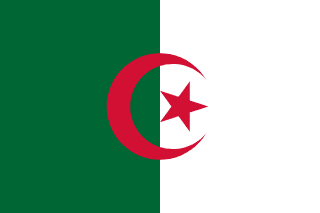
Algeria
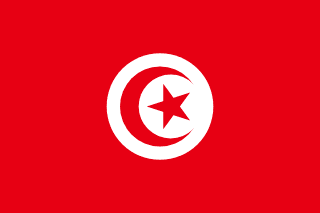
Tunisia
Southern African Flags
Southern African flags have some of the most distinctive and colourful designs on the continent. South Africa's flag, designed in 1994 after the end of apartheid, is one of the most complex national flags in the world, featuring six colours in a Y-shaped design. Mozambique's flag uniquely features an AK-47 assault rifle — a symbol of the armed struggle for independence, making it one of the most unusual flags in the world. Zimbabwe's flag features the Zimbabwe Bird, a carved soapstone bird found at the ancient Great Zimbabwe ruins.
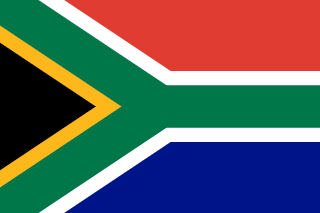
South Africa
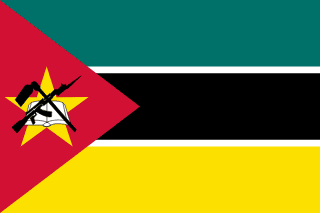
Mozambique
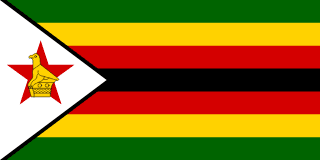
Zimbabwe
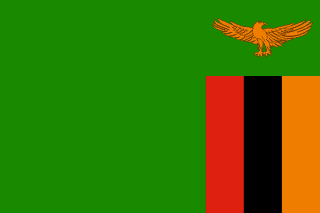
Zambia
The Most Unique African Flags
- •Mozambique — The only national flag in the world to feature a modern assault rifle (AK-47)
- •South Africa — Features six colours and a Y-shaped design unlike any other flag
- •Libya — One of the simplest national flags, entirely plain green from 1977-2011
- •Rwanda — Completely redesigned in 2001 to move away from its colonial and genocidal past
- •Ethiopia — The oldest continuously used flag colours (red, gold, green) that inspired dozens of other flags
Common Symbols on African Flags
- •Stars — Represent unity, freedom or hope (Ghana, Senegal, Cameroon)
- •Sun — Represents hope and a bright future (Rwanda, Namibia)
- •Crescent and star — Represent Islam (Algeria, Tunisia, Libya, Mauritania)
- •Eagle — Represents strength and freedom (Egypt, Zambia)
- •Animal or bird — Represents national identity (Uganda crane, Zimbabwe bird)
- •Crossed tools or weapons — Represent the struggle for independence (Angola, Mozambique)
Now that you know the stories behind these flags, can you identify them in our Flag Quiz? We have flags from all 54 African countries across our easy, medium and hard difficulty levels.